The Smoogies Encyclopedia

Explore all 27 Smoogie species, discover the seven regions, and find straightforward answers about caring, playing, and the world of Smoogies.

No helpdesk topics match this search.

Birds

Birds are one of the eight Smoogie families. They include calm, nervous, exotic, special, and crossbred companions. The Iny is an ancient, vivid bird of unknown exact origin with a soft “ee-nee” sound and relatively easy maintenance. The Quarter is a very nervous and highly aware bird from the Netherlands, where it is almost completely extinct; it is very clean and needs food daily. The Curly is an exotic bird from the forests of South America that requires daily maintenance and grows slowly.

The special bird is the Golden Iny. It was found deep in an African rainforest, far from any known Iny population. Beliefs among the African tribes where it was found associate this bird with becoming rich and famous. Its golden feathers reflect light in ways that appear to shift with the viewer’s mood, although the underlying structure is not fully explained.

The bird family also includes three crossbreeds:

  • Quiny, a crossbreed of Iny and Quarter that combines the Iny’s steadiness with the Quarter’s restless awareness.
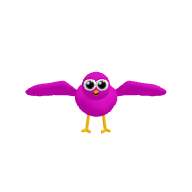
  • Woopie, a crossbreed of Iny and Curly with deep pink plumage and a calm nature.
  • Quilly, a crossbreed of Curly and Quarter. It is the slowest-growing bird and takes over 80 days to reach adulthood, combining the Curly’s quiet nature with the Quarter’s constant vigilance.
Iny

Iny

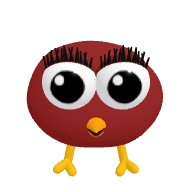
Family: Birds. Birds eat bird seed, and the family has a two-hour recharge time. The Iny is the oldest known Smoogie species, a calm but vivid red bird that is easy to care for and quick to bond with. It is rumoured to descend from a single ancestral pair whose origins have been lost to time. The Iny makes a soft “ee-nee” sound, which is how it got its name.

In the early days of the game, the Iny was the very first species to exist, originally drawn as a red dot with two eyes and two legs. That simple shape evolved into the vivid little bird known today, while the Iny’s gentle, unpretentious character remained unchanged. An Iny was also the first Smoogie to rediscover the art of dancing in the old Meadow clearing, sparking the journey that would restore the world’s Rhythm. It reaches adulthood in 8 days and has a listed value of 450 SD.

Quarter

Quarter

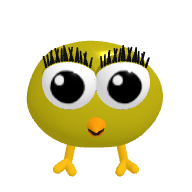
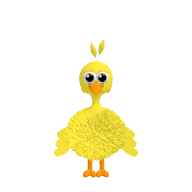
Family: Birds. The Quarter is a yellow bird from the Netherlands, where the species is nearly extinct in the wild. Birds are the most diverse Smoogie family and eat bird seed. The Quarter is exceptionally clean and rarely needs washing.

The Quarter is very nervous, constantly aware of its surroundings and easily startled by the smallest unexpected sound. This skittish temperament is described as hyper-awareness rather than cowardice, rooted in the exposed marshlands where wild Quarters once nested and danger could come from any direction. The species needs daily feeding and grows slowly, reaching adulthood after about 40 days. Those who earn a Quarter's trust describe a bond unlike any other.

Documented crossbreeds: The Quarter can be paired with the Iny to create a Quiny, which combines the Iny's calm temperament with the Quarter's sharp alertness. It can also be paired with the Curly to create a Quilly, a watchful bird with distinctive pink-and-yellow plumage that takes 80 days to reach adulthood.

Curly

Curly

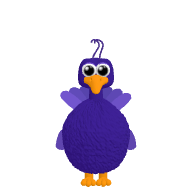
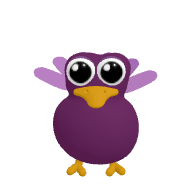
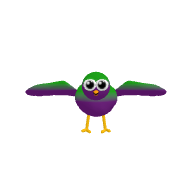
Curly is a bird from the deep forests of South America. Its purple plumage is unlike anything else in the Smoogies world, making it a strikingly beautiful species. Birds share a two-hour energy recharge time, and each species has its own care needs.

Curly requires daily attention and grows extremely slowly, taking 50 days to reach adulthood. Patient owners who guide a Curly through its full growth are rewarded with a companion of exceptional grace. Curly is also a documented parent in two bird crossbreeds: Woopie, created from Iny and Curly, and Quilly, created from Curly and Quarter.

Golden Iny

Golden Iny

Family: Birds. The Golden Iny is a rare golden bird discovered deep in the African rainforest, far from any known Iny population. Its discovery has led some to wonder whether it evolved separately or had simply remained hidden until it was found.

The Golden Iny is known in its original lore as “the one special bird for the rich and famous.” According to the beliefs of the African tribes where this pet was found, keeping one means that you will be rich and famous. Its golden sheen is more than decoration: the feathers reflect light in ways that seem to shift with the viewer’s mood, a result of microscopic structure that remains unexplained.

Quiny

Quiny

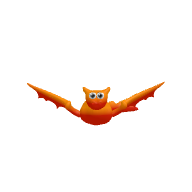
Quiny is a crossbreed bird in the Birds family. It is available only as a crossbreed and not sold in the shop. A Quiny comes from an Iny and a Quarter, has warm orange plumage that blends both parents’ colours, and reaches adulthood after 30 days.

The Quiny combines the Iny’s ancient steadiness with the Quarter’s restless awareness. It can remain perfectly still for long periods before suddenly tilting its head, as though it has noticed something others have missed. This calm, observant nature makes the Quiny a popular choice among experienced keepers.

Documented pairing: Iny + Quarter.

Quilly

Quilly

Quilly is a colorful bird with distinctive pink and yellow plumage. It is available only as a crossbreed and is not sold in the shop. The documented pairing is Curly + Quarter.

Quilly is the slowest-growing bird and takes 80 days to reach adulthood. It combines Curly's love of quiet with Quarter's constant vigilance, so it often seems to be listening closely to something just beyond hearing.

A fully grown Quilly is a rare sight, making this unusual bird a rewarding addition for dedicated keepers.

Woopie

Woopie

Family: Birds. Woopie is a remarkable bird available only as a crossbreed and not sold in the shop. It comes from the documented pairing of Iny and Curly.

Distinctive traits: Woopie has the Curly's striking plumage in deep pink instead of purple, along with the Iny's calm, unflappable nature. The result is an extraordinary-looking bird with a wonderfully relaxed personality.

Furries

Furries are one of the eight Smoogie families. They are larger, fluffy creatures that eat berries and have moderate care needs, with a four-hour sleep cycle. The family contains three species: two base species and one crossbreed.

Glanny is the more easy-going furry. It has thick, soft orange fur, is content to graze at its own pace, and often leans against its owner when it wants attention. Gorry is a blue furry from the Australian outback. It needs daily feeding, grows surprisingly slowly despite its voracious appetite, and is highly affectionate when well fed.

Glopsie is the crossbreed of Glanny and Gorry. It combines Glanny's calm temperament with Gorry's impressive size and has soft pink fur that is unique among furries. It eats less frantically than a Gorry but more enthusiastically than a Glanny, and it sleeps deeply and often. Glopsie is available as a crossbreed only.

Glanny

Glanny

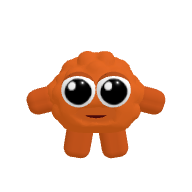
Glanny is an orange member of the Furries family. It is the more easy-going of the two furry species: unlike the Gorry, which is a relentless eating machine, the Glanny is content to graze at its own pace and spend long afternoons dozing in warm spots. Its thick, soft fur and relaxed nature make it a gentle companion.

Glannies are known for leaning against their owners when they want attention, which is often. Their calm temperament does not mean they lack affection, as this leaning is one of their distinctive ways of expressing it. A Glanny takes 12 days to grow and has a listed price of 500 SD.

The Glanny is one of the documented parents of the Glopsie, a crossbreed pairing of Glanny + Gorry. The Glopsie combines the Glanny's relaxed temperament with the Gorry's impressive size and has soft pink fur that is unique among Furries.

Gorry

Gorry

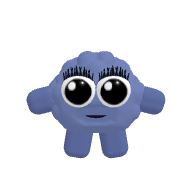
Gorry is a blue Smoogie from the Furries family, a group of larger, fluffy creatures that eat berries and have moderate care needs with a four-hour sleep cycle. A Gorry egg costs 550 SD, and the species reaches adulthood at twenty days old: it hatches after one day, becomes a toddler at six days old, an infant at twelve, and an adult at twenty.

The Gorry is a voracious eating machine that needs daily feeding and makes its hunger known in its own grunting language. It originates from the Australian outback and is suspected to be a combined descendant of all known Australian animals. Although it eats constantly, it grows surprisingly slowly. Its constant hunger is linked to an extraordinarily fast metabolism that uses berries quickly, while its loyalty makes a well-fed Gorry one of the most affectionate creatures in the Smoogies world. It can also produce a rumbling purr that can be felt through the floor.

Gorry is one of the two base species in the Furries family, alongside Glanny. The documented furry crossbreed Glopsie is created by pairing a Glanny with a Gorry. It inherits the Gorry's size and the Glanny's relaxed temperament, and has soft pink fur that is unique within the furry family.

Glopsie

Glopsie

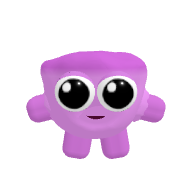
Glopsie is a pink crossbreed in the Furries family. It combines the calm, relaxed temperament of the Glanny with the impressive size of the Gorry, creating a distinctive and gentle companion. Its soft pink fur is unique among the Furries.

Glopsie takes life, meals, and naps at an easy pace. It eats less frantically than a Gorry but with more enthusiasm than a Glanny, and it sleeps deeply and often.

Collection details: Glopsie is available only as a crossbreed and not sold in the shop. It grows over 45 days, and its documented parent pairing is Glanny + Gorry.

Catlikes

Catlikes are one of the eight Smoogie families. These feline-inspired creatures eat raw meat, grow quickly, and have a 3-hour sleep cycle. Catlikes are the most affordable family to start with.

The family contains three species:

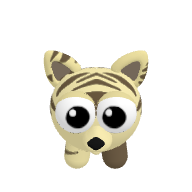
  • Tiggy, a curious beige catlike that grows in 7 days and costs 650 SD.
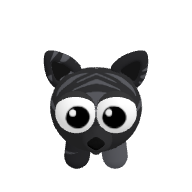
  • Nera, a jet-black catlike that grows in 8 days and costs 700 SD.
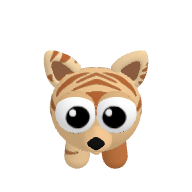
  • Pippemuis, an orange crossbreed of Tiggy and Nera that grows in 8 days and is available as a crossbreed only.

Each Catlikes species has its own character. Tiggy is bold, curious, and common in the Meadowlands. Nera is quiet, independent, affectionate once it trusts you, and most active at dusk and dawn. Pippemuis combines Tiggy's fearless curiosity with Nera's quiet watchfulness and is endlessly playful and easily distracted.

Tiggy

Tiggy

Family: Catlikes. Tiggy is a beige catlike and one of the most widespread Smoogies in the world. They are commonly seen wherever there is sunlight and something to climb, and are believed to have originated in the gentle hills around the Meadowlands. Long ago, Tiggies adapted to life near settlements and have been companion animals for as long as anyone can remember.

Tiggies may be small, but they are fearless, bold, and curious. A Tiggy will investigate anything that moves, twitches, or makes an interesting sound, and they are surprisingly fast on their feet. They are also known for napping in patches of sunlight between meals. Their appetite for raw meat is modest, and they rarely cause trouble unless knocking things off shelves counts. Tiggies reach full size in about two weeks, making them the fastest-growing species known.

Documented crossbreed: Pippemuis is the crossbreed of Tiggy and Nera. It inherits the Tiggy's fearless curiosity and the Nera's quiet watchfulness, with those traits combining into a character all its own.

Nera

Nera

Nera is a sleek, jet-black member of the Catlikes family. Catlikes are feline-inspired creatures that eat raw meat, grow quickly, follow a three-hour sleep cycle, and are the most affordable family to start with. Nera reaches maturity in 8 days and has a listed value of 700 SD.

Nera was named after a real cat belonging to the creator of Smoogies. This species is quiet and independent, yet surprisingly affectionate once trust has been established. Neras need frequent washing because their dark fur shows every speck of dust, although they are otherwise low-maintenance. They are most active at dusk and dawn, and some owners swear that their Nera can see things that are not there. Nera is also one of the documented parent species for the crossbreed Pippemuis, paired with Tiggy.

Pippemuis

Pippemuis

Family: Catlikes. Pippemuis is available only as a crossbreed and is not sold in the shop. Its documented parent pairing is Tiggy + Nera.

The name Pippemuis comes from the creator's cat Pip, whose full household name was Pippemuis, meaning “Pippe-mouse”. This distinctive species brings together Tiggy's fearless curiosity and Nera's quiet watchfulness in a character all its own.

A Pippemuis may stalk a pinecone for twenty minutes, pounce on it, and then try to eat it. This unusual habit reflects its memorable blend of curiosity and watchfulness.

Rodents

Rodents are one of Smoogies' eight families. The family food type is cheese, and its base sleep recharge time is 1.5 hours. Energy and sleep are tracked separately: adventures and play use energy, and when the energy bar is empty, the pet needs sleep. Higher-quality pets recharge faster, with a top-quality pet sleeping at three times the base speed.

The family includes two species: Purpur, which originates from Canada and is suspected to be related to the beaver and the forest cat. It is reasonably easy to maintain despite liking to eat, and its harmless hoarding instinct may lead it to tuck small stones, acorns, or an occasional missing sock into its sleeping corner. Nufnuf is related to Purpur and also comes from Canada. It is a very easy-going, gentle, social pet that prefers company to solitude. In the wild, Nufnufs live in small family groups beneath the roots of old trees and emerge at dusk to forage and socialise.

Purpur

Purpur

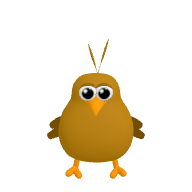
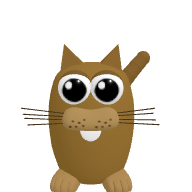
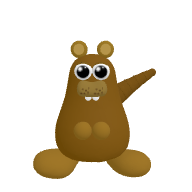
Purpur is a sturdy, brown-furred Smoogie from the Canadian wilderness and belongs to the Rodents family. Rodents are small, hardy creatures from Canada that eat cheese. The Purpur is suspected to be a distant relative of both the beaver and the forest cat.

Purpurs are reasonably easy to care for, although they do love to eat. Their compact build and bright eyes give them an air of cheerful determination. They also have a habit of hoarding small objects in their sleeping spot.

The Purpur's hoarding instinct is believed to come from its beaver ancestry. Owners may find small stones, acorns, and the occasional missing sock tucked into a Purpur's sleeping corner. This behaviour is harmless and, according to most owners, rather endearing.

Nufnuf

Nufnuf

Nufnuf is a Rodent from Canada and is related to the Purpur. It is a gentle, easy-going pet with brown fur. Nufnufs are social creatures that prefer company to solitude, and in the wild they live in small family groups beneath the roots of old trees, emerging at dusk to forage and socialise.

The Nufnuf grows more slowly than its cousin and is less food-obsessed, preferring long naps and quiet company. Its peculiar shuffling walk and habit of blinking slowly at anything that interests it give the Nufnuf an air of gentle bewilderment that many owners find impossible to resist. Nufnufs are also known for attempting group dances with varying degrees of coordination.

Worms

Worms are one of the eight Smoogie families. They are slow-growing, high-value creatures that eat leaves and have the fastest sleep recharge in the game at 1 hour. Worms originally had two legs, but these were removed because animating them was considered too complex and weird.

The family contains two base species and one crossbreed:

  • Fruppy is a pink worm that moves in slow coils, often stays curled in dark, warm places, and takes 120 days to reach adulthood. Its price is 2,500 SD.
  • Fruffel is the green counterpart to Fruppy. It shares Fruppy's growth timeline and care needs, is more inclined to come out of hiding, and takes 120 days to reach adulthood. Its price is 3,000 SD.
  • Frockel is the orange crossbreed of Fruppy and Fruffel. It combines Fruppy's quiet watchfulness with Fruffel's curiosity and takes 160 days to reach adulthood. It is available as a crossbreed only.

Worms require patient care over a long real-time growth period. Every species has its own feeding and washing needs, and neglect lowers a pet's happiness, so caring for a Worm means keeping to the needs of its species while it progresses through its lifecycle.

Fruffel

Fruffel

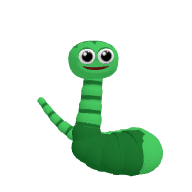
Fruffel is the green member of the Worms family. Worms are slow-growing, high-value creatures that eat leaves and are the fastest sleepers in the game, sleeping for one hour. Worms originally had two legs, but these were removed early in the family’s history because animating them was considered “too complex and weird.”

Fruffel shares the Fruppy’s long growth timeline and care needs, taking 120 days to reach adulthood. Unlike the more hidden Fruppy, Fruffel is socially inclined and often drapes itself over a branch or rock to watch the world go by. Its willingness to be seen gives it a more approachable character, while its green colouring distinguishes it within the Worms family.

Fruffel can be paired with Fruppy to produce the documented crossbreed Frockel. The Frockel has vivid orange colouring and takes 160 days to reach adulthood, combining Fruppy’s quiet watchfulness with Fruffel’s curiosity.

Fruppy

Fruppy

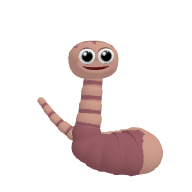
Fruppy is the pink member of the Worms family. Worms once had two legs, but these were removed early in the species' history because the records describe animating them as "too complex and weird." Without legs, Fruppy developed a distinctive coiling form of movement, travelling in slow spirals that look effortless while covering more ground than expected.

Fruppies are patient creatures with a growth period of over seven months. They spend much of that time curled up in hollow logs or beneath warm stones, giving this species a quiet and unhurried presence within the Worms family.

The documented crossbreed pairing for Fruppy is Fruppy + Fruffel, which produces Frockel. Frockel has striking orange colouring, takes 160 days to reach adulthood, and combines Fruppy's quiet watchfulness with Fruffel's curiosity.

Frockel

Frockel

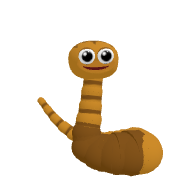
Family: Worms. Frockel is a vivid orange crossbreed of Fruppy and Fruffel. Its striking colour does not appear to come directly from either species, giving this attentive and inquisitive creature a look all its own.

Distinctive traits: Frockel combines Fruppy's quiet watchfulness with Fruffel's curiosity. It studies the world with calm, bright-eyed fascination and is available only as a crossbreed, not as a shop purchase.

Growth and pairing: Frockel takes 160 days to reach adulthood. Pair Fruppy + Fruffel to obtain this species.

Flyers

Flyers are one of the eight Smoogie families. They are winged creatures that drink nectar, have low maintenance needs, and require exceptional patience: every flyer species takes 270 days to reach adulthood. They are also among the most expensive pets in the game.

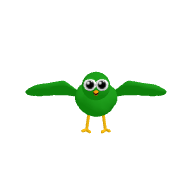
The family contains three species. Gullii is the pink flyer, most at home near water and known for gliding along rivers on thermal currents. It is a base species priced at 3,500 SD. Brellii is the green flyer, which seeks elevation and rides updrafts along mountain ridges and hilltops. It is more independent than Gullii and is a base species priced at 3,700 SD. Zeeii is the crossbreed of Gullii and Brellii. Its extraordinary colours shift between hues neither parent carries, and it is available only as a crossbreed and not sold in the shop.

Gullii

Gullii

Gullii is the pink member of the Flyers family. Gulliis are most at home near water, where they glide on thermal currents with barely a wing-beat and follow rivers from bend to bend. They are quiet, observant creatures whose patience seems to match their 270-day growth cycle.

River Gulliis are the most commonly seen variety. They are said to be able to read the mood of a current by the way light moves across its surface, adding a distinctive piece of lore to this water-loving flyer.

Documented crossbreed: Pairing a Gullii with a Brellii can produce a Zeeii. The Zeeii is the crossbreed of both flyer species and is known for extraordinary colours that shift between hues neither parent carries.

Brellii

Brellii

Brelliis are more independent by nature than Gulliis. They may sometimes go hours without acknowledging their owner's existence, then land on the owner's shoulder at the exact moment comfort is needed most. This combination of self-reliance and perfectly timed affection is one of the species' defining traits.

Documented crossbreed: A Gullii and a Brellii can produce a Zeeii. The Zeeii is the crossbreed of the two flyer species and is known for extraordinary, shifting colours unlike those carried by either parent.

Zeeii

Zeeii

Family: Flyers. Zeeii is a crossbreed of the flyer species Gullii and Brellii. Flyers are winged creatures that drink nectar, have low maintenance needs, and take about nine months to fully grow. Zeeii reaches adulthood after a documented growth cycle of 270 days.

Zeeii is known for extraordinary shifting colours that move between hues neither parent carries. Its plumage has never been fully explained, and some keepers believe it responds to the energy of its surroundings, becoming more vivid in restored regions and duller in faded ones. Whatever the reason, Zeeii is one of the most visually remarkable creatures in the Smoogies world.

To add Zeeii to your collection, use the documented parent pairing Gullii + Brellii. Zeeii is available only as a crossbreed and is not sold in the shop. The species combines Gullii's grace around rivers with Brellii's independent nature, associated with mountain ridges and hilltops.

Phants

Phants are one of the eight Smoogie families. They are large, elephant-like creatures and gentle giants that eat peanuts. Phants need the most care of all families, with high feeding and washing rates, and they follow a five-hour sleep cycle.

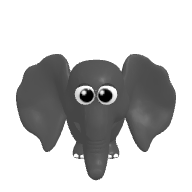
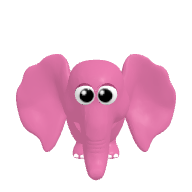
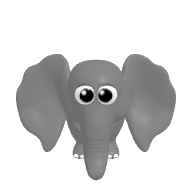
The Phant family has three species: Olly, the lighter of the two base species; Bolly, the darker base species; and Frolly, a pink crossbreed of Olly and Bolly and the largest member of the family. Ollies are known for their deep, steady gaze and quiet loyalty, while Bollies are patient and quietly stubborn. Frollies are imposing but deeply gentle. You can discover and raise these unique creatures as you explore the Smoogies world.

Bolly

Bolly

Family: Phants. Bolly is the darker of the two Phants base species and is known for its dark grey appearance. Phants are among the oldest creatures in the Smoogies world, with a slow, measured way of living that suggests they have been around long enough to stop hurrying.

Bollies share Olly's deep patience but add a streak of quiet stubbornness that experienced keepers learn to work with rather than against. A Bolly that has decided to sit down will sit down, regardless of what its owner had planned. This is not defiance, but a deeply held conviction that some moments are for standing still.

Documented crossbreed: Bolly is one of the parent species of Frolly, the largest member of the Phants family. Frolly is a crossbreed of Olly and Bolly, with a unique pink colouring among the Phants lineage.

Frolly

Frolly

Frolly is the largest member of the Phants family and the biggest non-dragon pet in the game. Its pink colouring is unique among the Phants lineage and is thought to come from the unusual combination of its parents' pigments. Frolly is a crossbreed of Olly and Bolly, and it takes about two and a half months, or 78 days, to grow.

A fully grown Frolly is an imposing but deeply gentle presence. Smaller Smoogies instinctively gather around it for warmth and safety, while Frolly's character reflects both sides of its heritage: the gentle patience of Olly and the quiet determination of Bolly. Like the other Phants, Frolly belongs to one of the oldest creature lineages in the Smoogies world, known for a slow and measured way of living.

Olly

Olly

Olly is the lighter of the two base species in the Phants family. Phants are among the oldest creatures in the Smoogies world, known for a slow and measured way of living that suggests they have been around long enough to stop hurrying.

Ollies are recognised by their deep, steady gaze and their habit of placing one foot very carefully before lifting the next, as though the ground deserves that much respect. They demand a great deal of care, but return it tenfold in quiet loyalty.

Olly is also one of the documented parents of the Phants crossbreed Frolly, whose pairing is Olly and Bolly. Frolly is the largest member of the Phants family and has unique pink colouring within the Phants lineage.

Dragons

Dragons are one of the eight Smoogie families. Each family shares a food type and energy profile, while individual species can differ in rarity, growth rate, care difficulty, and value. Dragons are the oldest and largest creatures in the Smoogies world, and they cannot be bought at all until you have finished the whole main story. Owning one says you finished the world.

The dragon family includes Mobus, the green member of the family. A Mobus egg takes a full week to hatch, and the hatchling is already larger than most adult birds. Mobus becomes an adult on its first birthday, a full real year after hatching, and eats firestones.

Horrus is the funky-coloured dragon, with iridescent scales that shift colour depending on the angle of light and, according to some, its mood. It is the most expensive pet available for purchase in the Smoogies world, at 26,000 SD against Mobus's 20,000 SD and can become fiercely loyal and surprisingly affectionate after bonding with its owner. Wyrm is a crossbreed of Mobus and Horrus. Its unique fire-coloured scales combine Mobus's deep green undertones with Horrus's iridescent shimmer, and it is the largest, slowest-growing, and most valuable creature in the Smoogies world.

Mobus

Mobus

Family: Dragons. Mobus is the green member of the dragon family. Dragons are the oldest and largest creatures in the Smoogies world, and Mobus carries that ancient weight in every slow, deliberate movement.

A Mobus egg takes a full week to hatch, and the hatchling is already larger than most adult birds when it emerges. Over its first year, Mobus grows into a remarkably gentle creature with quiet power, reaching adulthood on its first birthday. A Mobus egg cannot be bought until you have finished the whole main story, and costs 20,000 SD after that. Mobuses eat firestones, chewing them slowly and thoughtfully as though each one is worth savouring.

Documented crossbreed: Wyrm is the crossbreed of Mobus and Horrus. Its fire-coloured scales combine Mobus's deep green undertones with Horrus's iridescent shimmer, creating an appearance like captured flame.

Horrus

Horrus

Family: Dragons. Horrus is the funky-coloured member of the dragon family, a group known as the oldest and largest creatures in the Smoogies world. Its iridescent scales shift colour depending on the angle of light and, some say, its mood.

Horrus is the most expensive pet available for purchase in the Smoogies world at 26,000 SD, and it carries that distinction with an air of quiet self-importance. Its egg cannot be bought at all until you have finished the whole main story, and it then needs a full real year to reach adulthood. Despite this, a Horrus that bonds with its owner becomes fiercely loyal and surprisingly affectionate.

Documented crossbreed: The Wyrm is formed as a crossbreed from Mobus and Horrus. It has fire-coloured scales that combine the Mobus's deep green undertones with the Horrus's iridescent shimmer, creating an appearance like captured flame. Ancient carvings in the mountain caves depict creatures that resemble Wyrms, inspiring speculation that this crossbreed may be the oldest dragon of all, returning.

Wyrm

Wyrm

Wyrm is a crossbreed of Mobus and Horrus in the Dragons family. Dragons are the largest and rarest creatures in the Smoogies world. They eat firestones, need relatively little care, follow an 8-hour sleep cycle, and become adults on their first birthday, a full real year after hatching.

With its magnificent fire-coloured scales, Wyrm stands apart from other dragons. It is the largest, slowest-growing, and most valuable creature in the game, reaching full growth after 365 days. Wyrm is available only as a crossbreed and not sold in the shop, making it a remarkable achievement for any Smoogie keeper. Getting one is a long road: dragon eggs only appear in the shop once you have finished the whole main story, both parents then need a year each to become adults, and the Wyrm they produce needs a year of its own. An adult Wyrm is two dragon birthdays away.

Ancient carvings in the mountain caves show creatures that look remarkably like Wyrms. Their resemblance has inspired questions about whether Wyrm is a recent arrival or the return of the oldest dragon of all. The documented parent pairing is Mobus + Horrus.

Caring for your Smoogie

Every Smoogie has an energy bar. Adventures and play cost energy, and when it runs out your pet needs to sleep before it can go again.

How fast a pet recharges depends on its family: worms sleep for 1 hour, rodents 1.5, birds 2, flyers 2.5, catlikes 3, furries 4, phants 5, and dragons 8. Nothing is lost while a pet sleeps; it simply is not available until it wakes.

The size of the bar depends on the pet's quality and its level, which grows as you care for it and play with it. A held toy raises the maximum too, so a pet with a toy can do more between naps. See the toys topic.

Energy is deliberately kept out of some things: breeding does not cost energy, because that would put two systems in competition. Choose activities with your pet's current energy in mind, and remember there is no penalty for letting it rest.

Crossbreeding and hybrids

Nine Smoogie species are crossbreeds, created from a documented pair of parent species. Each crossbreed is a distinct species in your collection, and the result is decided by the pairing rather than by chance: an Iny and a Quarter always produce a Quiny.

Crossbreed eggs are never sold in the Petstore. The only way to get one is the Breeding Lodge, which you build at your workbench and place at home. Two adult Smoogies stay in the lodge for a few real days, neither of them available for anything else while they do, and the egg they produce is the result.

Both parents must be adults, healthy, not stored and not already nesting, and a pet needs a rest after breeding. Parents cannot be paired with their own children, although brothers and sisters can pair. A bigger, slower species takes longer to nest than a small one.

Breeding is also the only reliable route to a high-quality Smoogie: a bred egg rolls its quality around the average of its parents, so a good pet becomes worth keeping rather than selling.

The documented crossbreeds are Pippemuis from Tiggy and Nera, Quiny from Iny and Quarter, Woopie from Iny and Curly, Quilly from Curly and Quarter, Glopsie from Glanny and Gorry, Frolly from Olly and Bolly, Frockel from Fruppy and Fruffel, Zeeii from Gullii and Brellii, and Wyrm from Mobus and Horrus. In Dutch these are named Pippemuis, Kwimi, Woepie, Kwoppie, Gloppie, Frollie, Fratsje, Zeeii and Wyrm.

Crossbreeds can be sold through the Petstore's Sell tab. Their sale value is 1.5 times the higher parent's egg value, with the usual rarity and adult-time bonuses on top.

Feeding and food types

Food is shared by species family. Each Smoogie family has one food type, so choose food according to the family of the pet you are caring for. The family determines the food, but individual species can have different care schedules and feeding needs.

Birds eat bird seed. This family includes Iny, Quarter, Curly, Golden Iny, Quiny, Woopie, and Quilly. Furries eat berries and include Glanny, Gorry, and Glopsie. Rodents eat cheese and include Purpur and Nufnuf. Catlikes eat raw meat and include Tiggy, Nera, and Pippemuis.

Worms eat leaves and include Fruppy, Fruffel, and Frockel. Flyers drink nectar and include Gullii, Brellii, and Zeeii. Dragons eat firestones and include Mobus, Horrus, and Wyrm. Phants eat peanuts and include Olly, Bolly, and Frolly. Food is available through the Supermarket, which carries one food type for each species family. Check the in-game information for the pet's specific care schedule when you need more detail.

Quests and achievements

Quests and achievements give you goals as you explore SmoogieVille. Named NPCs give quests, tell stories, and add personality to each region. Emi Paw is the first quest giver and guides new players through their starter supplies. You can earn SmoogieDollars through quests, while daily activities provide bonus rewards.

Daily activities include feeding all your pets, washing all your pets, taking a pet on an adventure, or winning a minigame level. Onboarding tasks also guide new players through the basics. The first available minigame is Link the Smoogies, a line-matching puzzle game with procedurally generated levels.

Most achievements are hidden until they are triggered. There are no visible checklists or progress bars. When you cross an achievement threshold, the discovery itself is the reward. Achievements cover quest milestones, daily streaks, pet care, species collection, exploration, and secret easter eggs.

Smoogie growth

Smoogies grow through five lifecycle stages: Egg, Hatched, Toddler, Infant and Adult. Every Smoogie follows this sequence, but how long each stage lasts varies by species.

Growth is measured in real calendar days, and it is not a countdown that runs on its own. A stage becomes available once your pet has spent long enough in the one before it, and you are the one who grows it on, so a Smoogie left alone for a while simply waits for you.

The full journey from egg to adult runs from 7 days for a Tiggy, the fastest species, to 365 days for a dragon. For example, an Iny is an adult at 8 days old, a Purpur at 21 days, a Fruppy at 120 days, a Gullii at 270 days, and a Mobus on its first birthday.

Reaching adulthood is not the end of the story. Every Smoogie keeps its hatch date for as long as it lives, and an older pet earns an honorific shown beside its species: Elder at three years, Ancient at five, and Timeless at ten. These titles unlock nothing at all. They exist so that a Smoogie you have genuinely raised for years looks like it.

Caring for a Smoogie

Caring for a Smoogie means keeping up with its everyday care needs as it grows through lifecycle stages over real calendar time. Each species has its own care schedule, so check on your pet regularly rather than relying on one universal routine. Feed it the food assigned to its species family and wash it with soap when washing is needed. The Supermarket provides one food type for each family and universal soap for washing.

Care also connects with play and activity. A pet can hold a toy, which raises its maximum energy for as long as it keeps it, and pets can play minigames to earn rewards. Adventures cost energy, while Smoogie sleep cycles vary by family, so choose activities with your pet's available energy and care pattern in mind.

Daily tasks may include feeding all pets and washing all pets, and completing these tasks can provide bonus rewards. Care is designed to be calm and flexible: the game is built around real calendar time, but there is no punishment for missing a day. Every player can always feed their pets and progress through the entire game.

Offline play

Smoogies is designed as an offline-first game, so it works without a constant internet connection. Actions are queued locally and replayed when connectivity returns, allowing you to continue caring for your pets, rearranging your home, going on adventures, gathering resources, and playing minigames without a signal.

Adventures are fully playable offline. They cost energy and can earn SmoogieDollars, XP, and gatherable resources, and adventure rewards are applied instantly. When connectivity returns, the game synchronises those rewards with the server.

The Breeding Lodge

The Breeding Lodge is how you get a crossbreed. You build it at your workbench out of wood and stone, and place it at home like any other object.

Put two adult Smoogies in it and they stay for a few real days. Neither is available for anything else while they are nesting, and each needs a rest afterwards. What comes out is an egg.

Who can pair. Two of the same species produce that species. One of the nine documented crossbreed pairs produces that crossbreed. Anything else is refused. The result is never a gamble: an Iny and a Quarter always give a Quiny.

Both parents must be adults, healthy, not stored and not already nesting. A parent cannot pair with its own child, although brothers and sisters can. Breeding costs no energy, so it never competes with adventures.

A bigger, slower species nests for longer than a small one, and a crossbreed pairing takes longer again.

Breeding is also the only reliable route to a high-quality Smoogie. A bought egg rolls its quality on a flat table, while a bred egg rolls around the average of its parents, so a good pet becomes worth keeping rather than selling.

Toys and favourite toys

Each Smoogie can hold one toy, shown on its pet card. A toy is carried by the pet rather than placed in your home, and the pairing is exclusive: a toy one pet is holding cannot be given to another until you take it back.

A held toy raises that pet's maximum energy for as long as it keeps it. That is a bigger energy bar rather than a one-off top-up, so it means longer play and more adventures between naps.

Every Smoogie is born loving one particular kind of toy, shown in a thought bubble on its card. Give it that kind and the bonus is larger. The favourite is a kind rather than one specific toy, so any of the three swim rings satisfies a pet that loves swim rings.

Base energy limits are deliberately small, so this matters more than the numbers suggest: a newly hatched Smoogie has a maximum energy of 2, which its favourite toy doubles.

Favourites are independent of species. Two Inys can love completely different toys, so learning what each one likes is part of getting to know it. Take the toy away and the maximum drops back.

Every toy costs 1,000 SD, on purpose: a favourite is drawn evenly from every kind, so no favourite should be rarer to chase than another.

Growing older

Reaching adulthood is not the end of a Smoogie's story. Every Smoogie keeps its hatch date for as long as it lives, and its age goes on counting.

At three years old it becomes an Elder, at five an Ancient, and at ten a Timeless Smoogie. Each shows as a small honorific beside its species on the pet card.

These titles unlock nothing at all. Nothing is locked behind them, no stat changes, and no part of the game asks for one. They exist so that a Smoogie somebody has genuinely raised for years looks like it.

They are the same for every species. A starter Iny adopted on your first day earns them exactly as a dragon does, and since an Iny is an adult at eight days old, it will wear its Elder title far longer than it spent growing up.

Seven regions

The Smoogies world is divided into seven regions, each with its own landscape, atmosphere and role in the world's living energy cycle, called the Rhythm. Players explore them through adventure maps and discover dozens of named locations along the way. The journey runs in one order, from the safest region to the last: Meadowlands, Riverside, Pinewood Forest, Golden Dunes, Sun Oasis, Frost Peaks and Ember Crags.

Meadowlands is where the journey begins and the safest place in the world, with rolling green fields and wildflowers. It represents Colour and is home to Emi Paw, the player's first guide. Riverside is a calm river system that once carried energy between all regions like a bloodstream, with waterfalls, lily ponds and misty bridges; it represents Flow. Pinewood Forest is a mysterious woodland of tall pines, firefly glades and mushroom rings that once provided the world's rest cycle through its shade and darkness; it represents Rest.

Golden Dunes is a vast, contemplative desert of plain yellow sand where frozen patterns resemble captured sound waves. It represents Silence, which is not the absence of sound but the space the Rhythm needs to breathe. Sun Oasis is a lush oasis in red sand with palm springs, spice gardens and a glowing central pool; its role is Warmth, and its heat engine once drove movement between the regions. Frost Peaks is snow and ice, and the world's Voice: every ridge and frozen cavern once carried the Rhythm's signal on, until the ice stopped ringing. Ember Crags is the grand finale, a rugged volcanic range that was the world's furnace, where all the energy gathered and cascaded back outward again; its role is Celebration.

The regions are affected by the Fading Spark in different ways, and the player's journey across all seven gradually reveals the Rhythm and helps restore it.

Meadowlands

Role in the Rhythm: Colour. Meadowlands are the first of seven regions: the safest place in the world, and where the journey begins. Rolling green fields, wildflowers and gentle breezes make a calm introduction to the journey, and Emi Paw lives here as the player's first guide. As the spark fades, the colours go muted and the flowers will not bloom.

Places to explore: The Meadow, Flower Trail, Stone Circle, Old Oaks, Honey Glade, Butterfly Hollow, Clover Patch, Poppy Fields, Windmill Hill and Sunrise Path.

Smoogies are the only creatures that can restore a region's spark, and they do it by dancing. Each species has its own dance pattern, which the player draws on screen at key locations.

Riverside

Role in the Rhythm: Flow. Riverside is the second of seven regions: a calm river system that once carried energy between all seven regions like a bloodstream. Waterfalls, lily ponds and misty bridges line its banks. The water is still there, but it lies heavy and still, as though it has forgotten where to go, and the river has lost its song.

Places to explore: Singing Falls, Reed Banks, Stepping Stones, Lily Pond, Willow Bend, Fisher's Rock, Misty Bridge, Dragonfly Cove and Murmur Rapids.

Smoogies are the only creatures that can restore a region's spark, and they do it by dancing. Each species has its own dance pattern, which the player draws on screen at key locations.

Pinewood Forest

Role in the Rhythm: Rest. Pinewood Forest is the third of seven regions: a mysterious woodland of tall pines, firefly glades and mushroom rings. It once provided the world's rest cycle with gentle shade and darkness. The canopy no longer filters the light, so everything sits in a harsh permanent noon and the creatures here cannot sleep.

Places to explore: Firefly Glade, Mushroom Ring, Hollow Log, Pine Needle Path, Owl's Perch, Shadow Thicket, Amber Creek, Fern Valley and Woodcutter's Rest.

Smoogies are the only creatures that can restore a region's spark, and they do it by dancing. Each species has its own dance pattern, which the player draws on screen at key locations.

Golden Dunes

Role in the Rhythm: Silence. Golden Dunes are the fourth of seven regions: a vast, contemplative desert of plain yellow sand. Their silence was never the absence of sound but the space the Rhythm needs to breathe, and they had their own quiet music of wind patterns, sand whispers and heat shimmer. Now they are locked in total stillness, and the sand lies in frozen patterns that look like captured sound waves.

Places to explore: Sand Ridge, Mirage Flats, Fossil Beach, Cactus Garden, Dust Devil Pass, Scorpion Stones, Buried Temple, Wind Caves and Twilight Dunes.

Smoogies are the only creatures that can restore a region's spark, and they do it by dancing. Each species has its own dance pattern, which the player draws on screen at key locations.

Sun Oasis

Role in the Rhythm: Warmth. Sun Oasis is the fifth of seven regions: a lush oasis in red sand, with palm springs, spice gardens and the glowing Jewel Pool at its centre. It was the heat engine that drove movement between the regions, though it never made that warmth itself: it received it from below, from what the oldest keeper calls the deep song. The oasis is shrinking now, and its glow dims a little more each day.

Places to explore: Palm Springs, Jewel Pool, Silk Bazaar, Sandstone Arch, Spice Gardens, Golden Courtyard, Lantern Walk, Mirror Lake and Starfall Terrace.

Smoogies are the only creatures that can restore a region's spark, and they do it by dancing. Each species has its own dance pattern, which the player draws on screen at key locations.

Frost Peaks

Role in the Rhythm: Voice. Frost Peaks are the sixth of seven regions: snow, ice, and the voice of the world. Every ridge and frozen cavern was an instrument that carried the Rhythm's signal on to the next region. The ice has stopped ringing: a shout into Icicle Gorge comes back as nothing at all, in a landscape that should be nothing but echoes. Vibration marks are still scored into the walls of Crystal Cavern.

Places to explore: Snowdrift Pass, Crystal Cavern, Frozen Falls, Aurora Plateau, Icicle Gorge, Silver Summit, Blizzard Ridge, Glacier's Edge and Snowbell Meadow.

Smoogies are the only creatures that can restore a region's spark, and they do it by dancing. Each species has its own dance pattern, which the player draws on screen at key locations.

Ember Crags

Role in the Rhythm: Celebration. Ember Crags are the last of seven regions: rugged volcanic country at the end of the road, and the grand finale. This was the world's furnace: the crescendo where all the energy gathered and cascaded back outward to start the cycle again. With six regions no longer feeding it, there is nothing left to burn and nothing to send back, so the vents are silent and the magma pools have crusted over into cold black rock. One ember is still alight at Dragon's Rest, kept going by someone who never accepted it was over.

Places to explore: Lava Fields, Cinder Path, Echo Canyon, Magma Pools, Obsidian Ridge, Smoke Vents, Charcoal Forest, Flame Hollow and Dragon's Rest.

Smoogies are the only creatures that can restore a region's spark, and they do it by dancing. Each species has its own dance pattern, which the player draws on screen at key locations.

The Fading Spark

The Fading Spark is the first Smoogies story. The world's seven regions are losing their spark, expressed in different ways: Meadowlands have lost their colour, Riverside its song, Pinewood Forest its rest, Golden Dunes their silence, Sun Oasis its warmth, Frost Peaks their voice, and Ember Crags their celebration. The fading is a natural phenomenon, not the work of a villain. The world depends on a living energy cycle called the Rhythm, which gradually broke down because it had gone untended for so long.

Follow the journey across all seven regions, in order. In each chapter, arrive, explore, understand why that region's spark faded, restore its living energy, and celebrate. Smoogies are the only creatures able to restore the spark, and each species has its own unique dance pattern that the player draws on screen at key locations. The story reveals the mystery gradually, with the full meaning of the Rhythm becoming clear only at the end, in Ember Crags.

The final dance reconnects all seven regions so that the Rhythm can sustain itself again. Celebration energy flows back through every restored region and closes the cycle. The story's resolution is therefore not about defeating an antagonist, but about completing and healing the living connection that lets the world breathe again.

The Rhythm

The Rhythm is the living flow of energy that passes through all seven regions of the Smoogies world like a pulse. Each region has a distinct role in this cycle: Meadowlands brings Colour, Riverside carries Flow, Pinewood Forest provides Rest, Golden Dunes hold Silence, Sun Oasis provides Warmth, Frost Peaks carry Voice, and Ember Crags bring Celebration. Together these roles form one connected energy cycle, and Celebration is the crescendo that sends the energy back out so the cycle can start again.

The story centres on the natural phenomenon called the Fading Spark. The regions are losing their colour, music, energy and life because the Rhythm has run for so long without anyone tending it. There is no villain or antagonist to defeat, and nobody caused the fading. The player travels through all seven regions to explore, understand how each spark was lost, restore its living energy, and celebrate the recovery.

Smoogies are the only creatures that can restore the spark, and they do so by dancing. Each species has its own unique dance pattern that the player draws on screen at key locations in a region. The final dance, in Ember Crags, restores more than one region: it reconnects all seven, allowing the Rhythm to sustain itself again as celebration energy flows back through the restored world. The resolution is about completing and renewing a living cycle, not defeating an enemy.

The Fading Spark

The Fading Spark is a natural phenomenon affecting all seven regions of the world. Each region is losing part of its colour, music, energy or life in a different way: Meadowlands have lost their colour, Riverside its song, the creatures of Pinewood Forest cannot sleep, Golden Dunes are locked in oppressive stillness, Sun Oasis is dimming, the ice of Frost Peaks has stopped ringing, and Ember Crags have forgotten how to celebrate. No villain caused the fading, there is no antagonist, and nobody is to blame.

The world is connected by the Rhythm, a living cycle of energy that passes through all seven regions like a pulse. In journey order their roles are Colour, Flow, Rest, Silence, Warmth, Voice and Celebration. The cycle weakened over centuries because it was no longer tended, with the loss of energy cascading through the chain until everything stalled. The full picture of the Rhythm becomes clear only at the end of the journey, in Ember Crags.

Smoogies are the only creatures that can restore the spark, by dancing. Each species has its own unique dance pattern that the player draws on screen, and dancing at key locations restores a region's living energy. The journey through all seven regions follows a clear pattern: arrive, explore, understand why the spark faded, dance to restore it, and celebrate. The final dance reconnects all seven regions, allowing the Rhythm to sustain itself again as celebration energy cascades through every restored region.

Account deletion

You can delete your account from inside the game. Open the player panel from the icon in the top bar, go to the account section behind the back arrow, and choose to delete.

Deleting is permanent and cannot be undone. It gives up the account and everything on it: your Smoogies, your coins, your home, your progress and your quest history.

Logging out is not the same thing. Logging out signs this device out and leaves everything safely on the server, so you can sign back in later. Only the delete action destroys the account, and it always says so before you confirm.

Removing the app from your device does not delete your account either. It only removes the game and the data stored on that device.

If you cannot reach the in-game option, contact support and include your player code, which you can find in the support screen behind the menu button.

Accounts and guest play

Smoogies is a single-player experience. There is no player-to-player communication, trading, gifting or shared social space.

When you first open the game you choose one of three ways in: play with a new account, play with an existing account, or play without an account. Playing without one works fully, and you can add an account later without losing anything.

An account is what lets your progress survive a lost or replaced device and follow you to another one. Without it, your game lives only on the device you are playing on.

The account lives in the player panel, opened from the icon in the top bar, together with your name. From there you can sign in, add an account to a guest game, log out, or delete the account. Logging out signs this device out and keeps everything on the server; deleting is permanent. Your player code, which support may ask for, is in the support screen behind the menu button instead.

Smoogies is offline-first: adventures can be played without a signal, rewards are applied immediately, and your progress syncs when connectivity returns. Your home layout is saved as part of your progress.

Are there ads?

No. Smoogies has no ads of any kind. The game is designed as a calm pet adventure experience, without advertising as part of play.

Progress does not depend on spending money or viewing ads. A player who never spends money can always feed their pets, complete quests, and progress through the entire game. Smoogies also has no loot boxes and no pay-to-win, so the full game remains fair and accessible without paid advantages.

Languages available

Smoogies is fully localized in 24 languages: English, Dutch, French, German, Italian, Spanish, Portuguese, Danish, Norwegian, Swedish, Polish, Greek, Russian, Turkish, Korean, Japanese, Chinese, Indonesian, Vietnamese, Arabic, Thai, Hindi, Ukrainian, and Malay. This language coverage extends to over 75 countries.

The world includes named NPCs from a pool of 100 canonical characters, and each NPC is fully localized across all 24 supported languages. Species names follow a separate naming rule: all 22 non-English, non-Dutch locales use the English names as-is, while Dutch uses distinct proper names inherited from the original smoogies.nl site.

Player communication

Smoogies is a single-player pet adventure game. It does not include player-to-player communication, trading, gifting, or shared social spaces. Players therefore cannot communicate or exchange items with one another through the game.

Your pets, progress, quests, adventures, currency, home decoration, minigames, and species unlocks belong to your own play experience. Smoogies is designed as an offline-first game, with progress linked to your account where that is supported. The game does not connect one player's progress or activities with another player's game.

Coins

SmoogieDollars (SD) are the single in-game currency in Smoogies. Players earn SD through quests, daily tasks, adventures, gathering, and minigames. They can be used to buy food, eggs, items, and home decorations through the game's shops.

There is no paid currency. Purchases with SD are part of the in-game economy, and every player can always feed their pets, complete quests, and progress through the entire game. Smoogies also has no ads, no loot boxes, and no pay-to-win mechanics.

Adventures

Take your Smoogie on adventures across the world map. Adventures cost energy and earn SmoogieDollars, XP, and gatherable resources. Reward quality is graded from D to S++, and each adventure map includes resource nodes, interactive NPCs, coin collectables, and points of interest connected to the region’s story.

Adventure maps support hands-on gathering: trees yield wood and rocks yield stone. Each tree requires three hits to harvest and each rock requires four. Adventures are fully playable offline, with rewards applied instantly and synced to the server when connectivity returns. XP from adventures contributes to player levels from 1 to 100, and higher levels unlock later regions and higher-level maps.

Daily activities

Daily activities give you simple ways to care for your Smoogies and stay engaged with the game. You can complete daily tasks for bonus rewards, including:

  • Feeding all your pets
  • Washing all your pets
  • Taking a pet on an adventure
  • Winning a minigame level

Onboarding tasks guide new players through the basics. Smoogies is built around real calendar time, but there is no rush or punishment for missing a day. Daily activities are part of the game's progression systems, alongside quests, adventures, and minigames. The single in-game currency, SmoogieDollars, can be earned through quests, daily tasks, adventures, gathering, and minigames, and can be used to buy food, eggs, items, and decorations.

Minigames

Minigames are optional activities in Smoogies that give pets a short puzzle or play break. Pets can play minigames to earn rewards. The first available minigame is Link the Smoogies, a line-matching puzzle game with procedurally generated levels.

Minigames are part of the game's offline-first design and can be played without a constant internet connection. Actions queue locally and replay when connectivity returns. Winning a minigame level is also one of the daily tasks that can provide bonus rewards. SmoogieDollars, the game's single in-game currency, can be earned through quests, daily tasks, adventures, gathering, and minigames, and can be used to buy food, eggs, items, and decorations.

Link the Pets

Pets can play minigames to earn rewards. Minigames are one of the ways players can earn SmoogieDollars, the game's single in-game currency, alongside quests, daily tasks, and adventures.

Quests and NPCs

Quests guide you through SmoogieVille and its seven regions. The world is populated by named NPCs drawn from a pool of 100 canonical characters, fully localised across all 24 supported languages. NPCs give quests, tell stories, and bring personality to each region. The first quest giver is Emi Paw, who guides new players through their starter supplies.

Each regional chapter has its own NPCs, its own cause, and its own self-contained story arc. As you explore, quests can support the wider journey to understand why the world's spark faded and help restore it. The game is single-player, with no player-to-player communication, trading, gifting, or shared social spaces.

SmoogieDollars (SD) are the single in-game currency. Players can earn them through quests, daily tasks, adventures, gathering, and minigames, and use them to buy food, eggs, items, and decorations. Every player can always complete quests and progress through the entire game, and there is no paid currency.

Coins

SmoogieDollars (SD) are the single in-game currency in Smoogies. You can use them to buy food, eggs, items, and decorations for your home.

You earn SmoogieDollars through quests, daily tasks, adventures, gathering, and minigames. Adventures can also provide experience points and gatherable resources, while minigames provide rewards.

There is no paid currency. Every player can always feed their pets, complete quests, and progress through the entire game without needing a paid currency.

Collections and achievements

Collections are part of the cosy pet adventure in Smoogies. Players can collect, raise, and care for unique Smoogies while exploring the world, going on adventures, and unlocking new species. Species collection is also one of the areas covered by achievements, alongside the wider activities that make up your progress through the game.

Achievements recognise accomplishments across quest milestones, daily streaks, pet care, species collection, exploration, and secret easter eggs. Most achievements stay hidden until they are triggered. There are no visible checklists or progress bars, and crossing a threshold reveals the achievement as a surprise. Daily activities that support your ongoing play include feeding all pets, washing all pets, taking a pet on an adventure, and winning a minigame level. Onboarding tasks guide new players through the basics.

Dress-up and customisation

The Clothing Store in the village has two shelves.

The pet shelf sells wearable accessories: hats, capes, bow ties, shawls, slippers and other garments. These are purely decorative and have no effect on gameplay. They do not change how a pet cares for itself, explores, completes quests, plays minigames or progresses. Different species have different slots to fill, so worms and dragons have no feet to put slippers on.

The player shelf sells backpacks, and those are not decorative: a backpack is the only way to carry more than your base twenty inventory slots. You wear one at a time, in any order, and swapping to a smaller one really does lower your total. See the backpack topic for how slots are counted.

Toys are a separate thing again. A toy is held by one pet rather than worn, and it does affect play: see the toys topic.

Quests and achievements

Quests, daily activities, and achievements support your progress in Smoogies. Named NPCs give quests, tell stories, and add context to each region. Emi Paw is the first quest giver and guides new players through their starter supplies. Players can also earn XP through adventures, quests, and daily activities, progressing from level 1 to 100. Adventures additionally earn SmoogieDollars, XP, and gatherable resources, while minigames provide rewards.

Daily activities provide bonus rewards, and most achievements are designed to be discovered. Daily tasks include feeding all pets, washing all pets, taking a pet on an adventure, or winning a minigame level. Achievements can cover quest milestones, daily streaks, pet care, species collection, exploration, and secret easter eggs. They are usually hidden until triggered, with no visible checklist or progress bar, and a surprise appears when you cross the relevant threshold. SmoogieDollars are the game's single currency and can be earned through quests, daily tasks, adventures, gathering, and minigames. They can be used for food, eggs, items, and decorations, and there is no paid currency, so every player can complete quests and progress through the entire game.

Shops

Shops are the village buildings where you spend SmoogieDollars on eggs, food, soap, accessories, toys, potions, and home decorations. SmoogieDollars are the single in-game currency and can be earned through quests, daily tasks, adventures, gathering, and minigames. The village includes the Petstore for base-species eggs across all families, the Supermarket for daily essentials, the Clothing Store for pet accessories, the Potion Store for special one-use care and growth items, the Toy Store for toys your pets carry, and the Garden Store for seeds, a watering can and building plans.

The Supermarket sells one food type for each species family: bird seed, berries, cheese, raw meat, leaves, nectar, peanuts, and firestones. It also sells universal soap for washing pets. The Clothing Store has two shelves: cosmetic accessories for your pets, which are purely decorative, and backpacks for you, which are the only way to carry more than your base twenty inventory slots. The Toy Store sells toys, and a toy is held by one pet rather than placed in the home. A held toy raises that pet's maximum energy, and more so if it is the kind that pet was born loving. Every toy costs 1,000 SD, so no favourite is rarer to chase than another. The Potion Store offers special one-use items that affect pet care and growth, including instant egg hatching. The Garden Store sells seeds, a watering can and plans for a pond and three sizes of garden bed, which you then build at your workbench out of wood and stone. The workbench itself and the smallest bed and pond plans are free, so nobody can be locked out of gardening. Trees and plants come out of your own garden rather than off a shelf.

At the Petstore, you can buy eggs for new Smoogies, but crossbreed eggs are not sold there: those come from the Breeding Lodge. The two dragon eggs stay locked on the shelf until you have finished the whole main story, so a dragon is the reward for finishing the world rather than for saving up. You can also sell any pet through the Petstore's Sell tab. The sale price is based on the species' base egg value, with bonuses for rarity tier and time spent as an adult, including 5 SD per adult day. A crossbreed sells for 1.5 times the higher parent's egg value. Sold pets move to storage. You can buy a stored pet back at any time through the Buy Back tab for its original sale price plus a flat 50 SD care fee. Its age, growth stage, and care timers remain frozen in storage, and there is no time limit for buying it back.

The village

The village is the player's hub. It is an isometric town with distinct buildings: the Petstore sells eggs for hatching new Smoogies, the Supermarket sells daily essentials including one food type for each species family and universal soap, the Clothing Store offers cosmetic accessories, the Toy Store sells toys your pets carry, the Potion Store offers special one-use care and growth items such as instant egg hatching, and the Garden Store sells seeds, a watering can and the plans and workbench you build with.

The village is part of the wider single-player Smoogies experience. Named NPCs give quests and tell stories, and Emi Paw is the first quest giver who guides new players through their starter supplies. SmoogieDollars are the game's only currency. Players earn them through quests, daily tasks, adventures, gathering, and minigames, and can use them to buy food, eggs, items, and decorations. The game has no paid currency, and every player can always feed their pets, complete quests, and progress through the entire game.

The village is not a social multiplayer space. Smoogies has no player-to-player communication, trading, gifting, or shared social spaces. Each player has a personal home, while progress is account-linked where supported and the game is designed as an offline-first experience.

Your home

Your home is your personal space in the Smoogies world, where your Smoogies live and where you can build a setting that feels like your own. There is no pressure, no rush and no competition with other players, so your home is for relaxed, personal creativity.

Decorate it. Place and rearrange trees, rocks, plants and other decorations, and paint paths across the ground. Your layout is saved and synced.

Grow things. Build garden beds and a pond from plans bought at the Garden Store, then plant seeds in the beds. Planting, watering and pulling up a grown plant are each a small hands-on game rather than a button. Fill your watering can by dipping it in your pond; a full can waters four plants. Harvested plants become decorations you can keep, or wood if you take them apart later. Packing a bed away refunds the bed, the grown plants and the seeds of anything unfinished.

Build things. Place a workbench, which is free from the Garden Store as part of the early onboarding flow, and turn gathered wood and stone into items and placeable decorations. Crafting is a board rather than a list of buttons: each recipe is a blueprint pattern drawn on the station's grid, and you drag materials onto the marked cells to build it. Some recipes stay locked until you are carrying the matching blueprint item, which is never used up.

Take things apart. The build bar has a salvage tool that turns a placed object back into materials.

The garden and growing plants

You can grow your own plants at home. Buy seeds from the Garden Store, build a garden bed at your workbench, and plant them.

Planting is a small hands-on game rather than a button. Tapping an empty cell takes you through choosing a seed, digging a hole, dropping the seed in and covering it up. A growing plant opens the watering step, and a fully grown one is pulled up by hand until it pops free.

Planting deliberately does not water the seed. A seed goes into dry ground, and the plot tells you when it is thirsty.

Your watering can is filled at your own pond, by holding it in the water rather than pressing a button. A full can waters four plants, and the level is always shown in the corner of the screen.

Sixteen seeds are available. Six of them are flowers, grown purely to keep. The rest become trees and plants you can either keep as decoration or take apart later for wood.

Garden beds and the pond are ordinary objects you place where you like, and moving a bed carries its plants with it. Packing a bed away refunds everything in it: the bed, the grown plants and the seeds of anything unfinished. Only growth progress is lost.

Plans for the pond and the smallest bed are free, and their recipes cost only what an adventure hands out for nothing, so nobody can be locked out of gardening.

Crafting and the workbench

The workbench is free from the Garden Store and goes in your home. It turns gathered wood and stone into items and placeable decorations.

Crafting is a board rather than a list of buttons. Each recipe is a blueprint pattern drawn on the station's grid, and you drag the materials onto the marked cells to build it. The pattern is presentation: what you are charged is the recipe's own cost, and it does not change with how neatly you fill the board.

Some recipes stay locked until you are carrying the matching blueprint item. Holding it is the unlock, so a blueprint is never used up and you never have to learn a recipe twice. A blueprint takes no space in your backpack and lives on its Other tab.

Wood and stone come from adventure maps, where trees yield wood and rocks yield stone. You can also get materials back out of things you have already placed: the build bar has a salvage tool that takes a placed object apart again.

Your backpack and carrying slots

Everything you carry lives in your backpack, and it has a limited number of slots.

A slot is one row, not one item. Twenty apples share a single slot, while every toy and every garment takes its own, because each one is a different thing.

You start with twenty slots of your own pockets, and no purchase ever raises that number. More room comes from wearing a backpack, sold on the Clothing Store's player shelf. Each one adds its own fixed number of slots on top. You wear one at a time, you can buy them in any order, and swapping to a smaller one really does lower your total.

Only buying and building are blocked when you are full. The shop and the workbench will refuse. Quest rewards, harvests and salvage are always allowed through, even if that puts you over your limit, because refusing those would destroy something you already earned. So it is normal to be temporarily over capacity, and nothing is ever deleted to make room.

Some things cost no slot at all. Blueprints live on the backpack's Other tab, alongside anything else that is yours but takes no space.